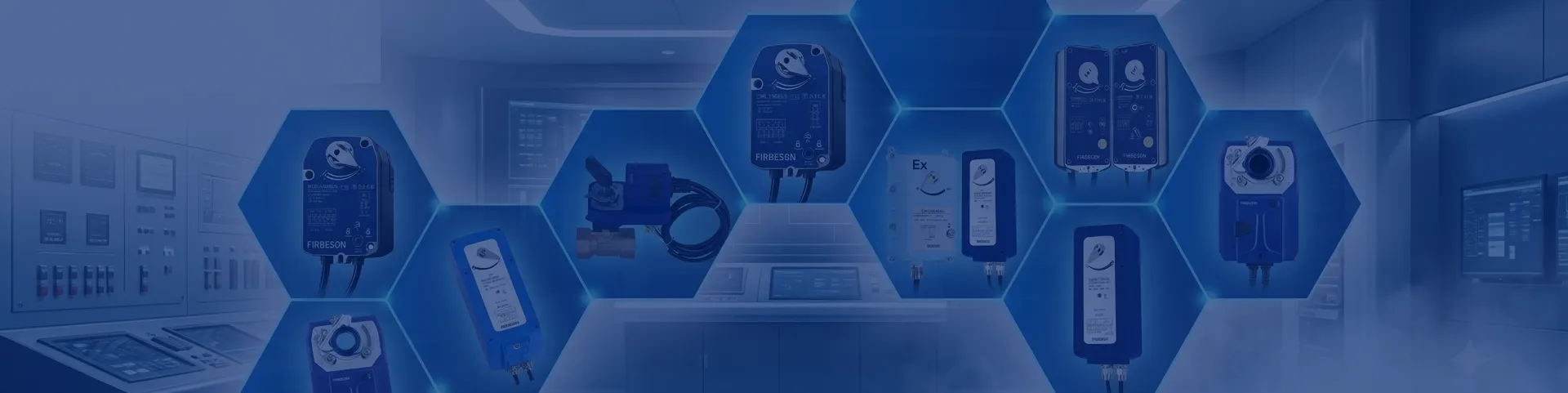
Why Certified Damper Actuators Matter HVAC Safety
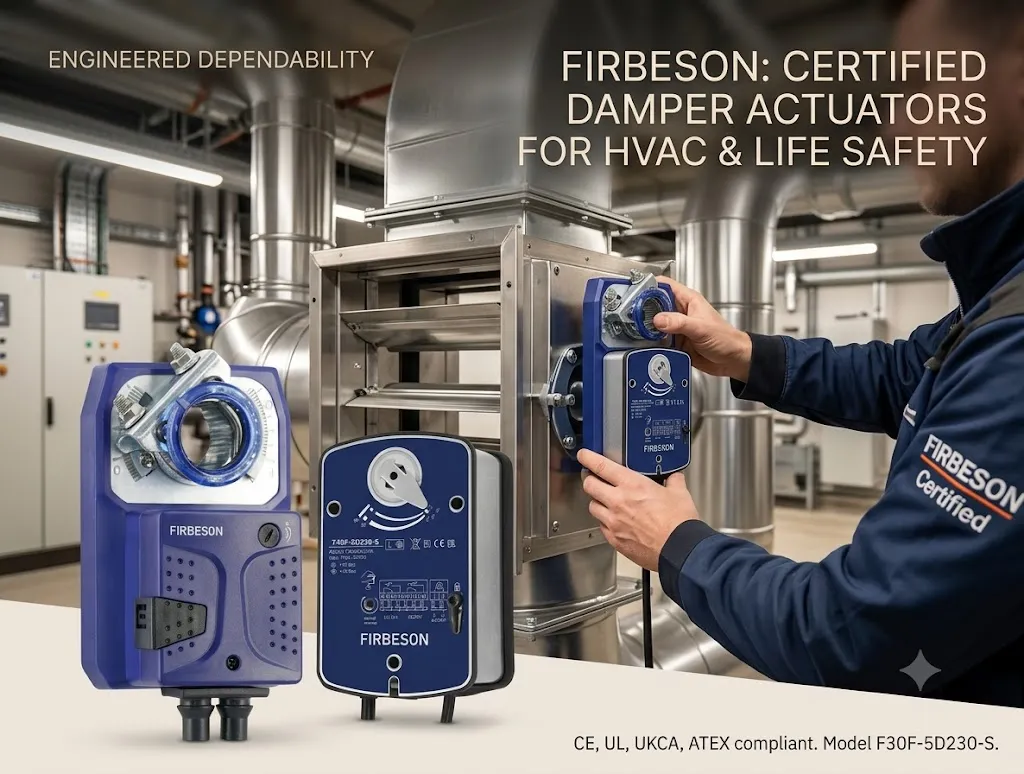
Why Certified Damper Actuators Matter HVAC Safety
From daily indoor airflow regulation to high-stakes fire and smoke containment, electric damper actuators are critical to modern building infrastructure. Explore why international safety certifications like CE, UL, UKCA, and ATEX matter for HVAC specifiers, and learn key technical factors when choosing certified life-safety equipment.
Why Certified Damper Actuators Are the Unsung Heroes of Modern HVAC and Life-Safety Systems
When designing or upgrading modern commercial and industrial facilities, indoor climate control and passive fire safety often feel like two distinct priorities. However, at the intersection of air comfort and life-safety compliance lies a critical hardware component: the electric damper actuator.
Whether regulating everyday airflow for energy efficiency or executing rapid shutoff during a fire emergency, high-performance damper actuators ensure that a building's ventilation infrastructure functions safely and effectively under all conditions.
1. Comfort vs. Life-Safety: The Dual Role of Actuators
In standard operations, damper actuators serve as the precision "hands" of a Building Management System (BMS). They modulate damper blades to balance air distribution, optimize zone temperatures, and keep energy consumption low.
However, in emergency situations, specialized fire and smoke damper actuators shift from comfort control to immediate containment:
- Smoke Containment: Toxic smoke inhalation causes the vast majority of fire-related casualties. Smoke control actuators drive dampers to isolate affected zones or extract smoke along designated escape routes.
- Thermal Isolation: When temperatures rise, high-temperature-resistant fire damper actuators automatically close to preserve compartment integrity, preventing flames from spreading through duct channels.
2. Navigating Standards: Why CE, UL, and ATEX Certifications Matter
Not all actuators are created equal. Installing non-certified or under-rated equipment introduces serious compliance risks and compromises building safety. For global projects, compliance with international benchmarks is non-negotiable:
| Certification | Application & Scope | Critical Benefit |
|---|---|---|
| CE & UKCA | European and UK health, safety, and environmental protection standards. | Ensures compliance with building regulations across the UK and EU. |
| UL 555 / UL 555S | North American standard for fire and smoke life-safety equipment. | Guarantees performance under elevated temperatures and extreme cycle testing. |
| ATEX & IECEx | Equipment used in explosive or hazardous atmospheres (dust, gas, chemical processing). | Prevents electrical ignition risks in high-hazard industrial environments. |
3. Key Technical Considerations for System Specifiers
When choosing actuators for commercial HVAC or hazardous-environment ventilation, engineers and facility managers should evaluate three essential factors:
- Fail-Safe Mechanism: In a power loss or alarm state, spring-return actuators utilize mechanical spring energy to return dampers to a safe position (fully open or fully closed).
- Thermal Tripping & Response Speed: Dedicated life-safety actuators feature thermal triggering devices (e.g., 72°C or 95°C tripping links) to ensure instantaneous emergency action.
- BMS Interoperability: Modulating control signals (2–10V or 4–20mA) and clear position-feedback switches allow real-time monitoring across central building automation networks.
Engineering Dependability into Every Duct: Building safety regulations continue to evolve, demanding greater reliability and tighter performance parameters from every HVAC component.
By partnering with certified manufacturers like Firbeson, mechanical contractors, OEMs, and facility engineers gain access to advanced electric damper actuators backed by global certifications (CE, UL, UKCA, ROHS) and dependable performance. Investing in certified life-safety equipment protects building infrastructure, ensures regulatory compliance, and most importantly, saves lives.